

On this page 9 sections
There is a difference between a good tailor and a fashion brand. A good tailor has loyal clients who come for measurements, wait two weeks and recommend them to friends. A fashion brand sells to people who have never met the designer: someone in Abuja orders a shirt from an Instagram post, it arrives in branded packaging, and it fits.
Many Nigerian designers want to move from the first to the second. That move changes how you produce, how you price and how you protect your name. This guide walks through each of those decisions. For how fashion compares with other ideas, see our guide to profitable businesses in Nigeria.
Prices checked November 2026. Key prices link to their sources.
Bespoke, ready-to-wear or both
Bespoke means made to measure for each client. Customers pay a deposit, so you are rarely stuck with stock, but you can only make as many pieces as your hands and hours allow.
Ready-to-wear means making pieces in standard sizes and selling them from stock. It can grow far beyond what one designer can sew, but you pay for fabric and production before you know what will sell.
Most Nigerian brands do both. Bespoke work pays the bills and builds a following, while small ready-to-wear collections test what customers will buy without a fitting.
Making the clothes: your own workshop or outsourced
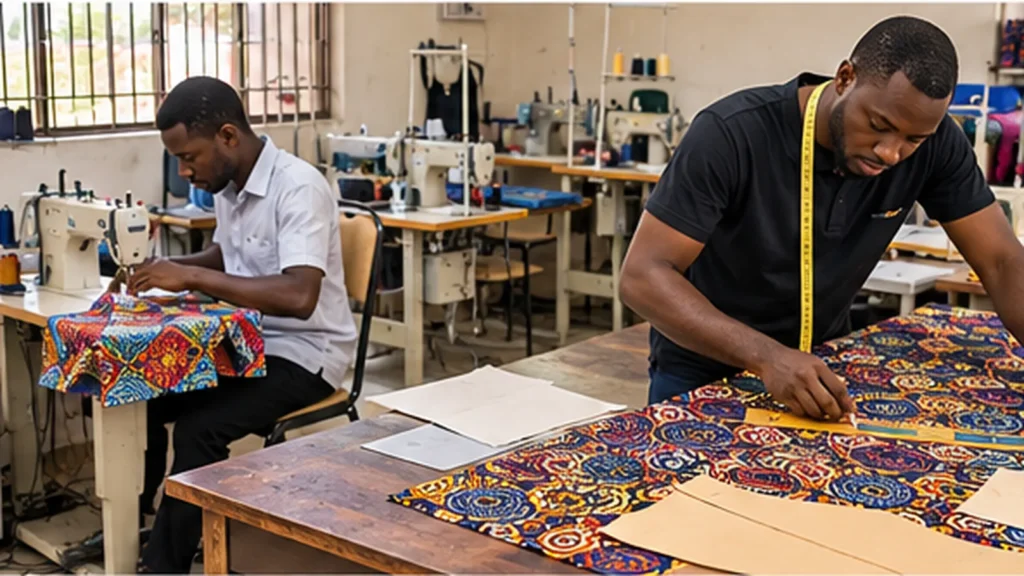
If you sew in-house, a new industrial sewing machine costs from about ₦200,000 in Lagos, plus ₦15,000 to ₦40,000 for installation and ₦20,000 to ₦60,000 for a voltage stabiliser. You will also need power for the days the grid fails you, a cutting table and at least one other skilled hand.
Many brands outsource instead. Production units in Aba and Lagos can sew a run of shirts or dresses from your pattern and sample. Start with a sample, check every seam, then order a small run. The first run is where you find out whether a producer can repeat your quality, so inspect it piece by piece before it reaches a customer.
What a piece really costs
Fabric is usually your biggest cost. Standard Ankara prints sell for about ₦4,500 to ₦8,000 a yard, premium prints for ₦8,000 to ₦15,000 and original Dutch wax for ₦15,000 to ₦25,000 a yard.
Here is an illustration for a ready-to-wear shirt using two yards of standard Ankara. Fabric costs about ₦12,000, sewing about ₦6,000 by our estimate, and buttons, labels and packaging about ₦2,000. That is ₦20,000 before photography, adverts, delivery or the pieces that don’t sell.
Many brands price ready-to-wear at two to three times what a piece costs to make, so that shirt would sell for ₦40,000 to ₦60,000. That sounds high until you count the medium shirts left over when the larges sold out, the discount you give to clear them, and the photoshoot that made the collection look good.
Small runs and pre-orders
The fastest way to run out of money in fashion is a large collection that doesn’t sell. Start with a few designs in small quantities, and plan sizes carefully, because most brands sell more mediums and larges than smalls and extra-large.
Pre-orders reduce the risk. Show the design, take a deposit, then produce. Customers wait a little longer, but you only make what has already been paid for. When a design sells out, you know what to make more of.
Protect your name before it becomes valuable
Register the business with CAC so you own the name in law. A business name costs ₦21,000 in CAC charges, or about ₦30,000 to ₦35,000 if an agent handles it, as our CAC fees guide explains.
CAC registration does not stop someone selling clothes under your brand name. A trademark does. The Trademarks Registry lists ₦2,500 for an availability search, ₦16,750 for a new registration and ₦11,750 for the certificate. The process can take a long time, so start early, and expect to pay more if a lawyer or agent files for you. Successful Nigerian designs and names get copied quickly, and it is much harder to stop a copy without a trademark.
Building a brand people recognise
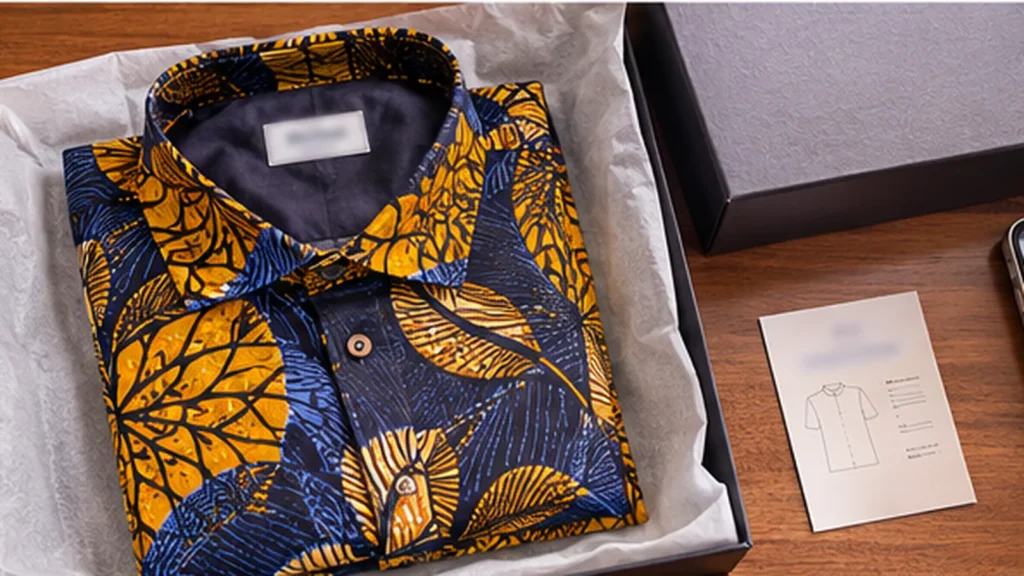
Customers buy from brands they recognise and trust. That comes from consistency: the same logo and colours on your labels, packaging, Instagram and website, photography that shows how pieces really look, a size guide that matches the clothes, and a clear returns policy. On returns, note that the FCCPC says a “no refund” policy is not recognised under Nigerian law, as we explain in our e-commerce guide.
A clear brand identity is what lets you charge more than the market stall selling a similar style, because customers are paying for the name as well as the fabric.
Where to sell
Most brands start on Instagram and WhatsApp, then add pop-up markets and events where customers can touch the fabric. As orders grow, your own online store lets customers check sizes, pay and track delivery without waiting for your reply. KrafStyle, a Lagos menswear store we built, is an example of a Nigerian fashion brand selling this way.
Frequently Asked Questions
How much does it cost to start a fashion brand in Nigeria?
It depends on whether you sew in-house or outsource. A new industrial sewing machine costs from about ₦200,000 in Lagos, plus installation and a stabiliser. Many brands outsource production instead and spend first on samples, fabric for a small run, photography and registration.
How should I price my clothes?
Work out what each piece costs to make, including fabric, sewing, trims and packaging, then price ready-to-wear at about two to three times that cost. In our illustration, a shirt costing ₦20,000 to make would sell for ₦40,000 to ₦60,000.
How much does Ankara fabric cost per yard?
Standard Ankara prints sell for about ₦4,500 to ₦8,000 a yard, premium prints for ₦8,000 to ₦15,000 and original Dutch wax for ₦15,000 to ₦25,000 a yard.
Do I need to trademark my fashion brand name?
CAC registration does not stop others selling clothes under your brand name, but a trademark does. The Trademarks Registry lists ₦2,500 for an availability search, ₦16,750 for a new registration and ₦11,750 for the certificate, and the process can take a long time.
Should I start with bespoke or ready-to-wear?
Most Nigerian brands do both. Bespoke work is paid with a deposit and builds a following, while small ready-to-wear runs and pre-orders test what customers will buy without a fitting.
Your first collection
Decide whether you are starting with bespoke, ready-to-wear or both. Make samples and test them on real people before you order a run. Keep the first collection small, take pre-orders where you can, and price each piece at two to three times its cost. Register the business, search and file your trademark early, and use the same look on every label, post and package from day one.